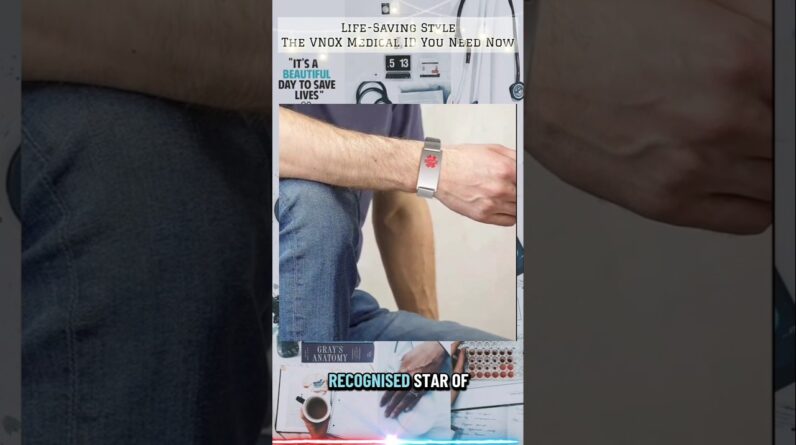


What Information Should Your Epilepsy Medical Alert Bracelet Include? Have you ever wondered what details should be included on an epilepsy medical alert bracelet and why they matter? In this informative video, we’ll explain everything you need to know about the essential information to display for safety and quick response during emergencies. We’ll start by discussing the key details that can help emergency responders identify your condition rapidly, including your full name and specific medical alert statements like “Epilepsy” or “Seizure Disorder.” We’ll also cover the importance of listing your medications, especially anti-seizure drugs, to prevent harmful interactions and guide treatment. Additionally, we’ll explain why including emergency contact numbers and any other medical conditions or allergies can be life-saving. If you use medical devices such as a vagus nerve stimulator, sharing this information is vital. We’ll also touch on how brief instructions, like “Do not restrain during seizure,” can assist responders in providing appropriate care. Pairing your bracelet with a medical ID card or digital profile can offer more detailed instructions. This video aims to help you understand how a well-prepared bracelet can communicate critical health information silently, especially when you cannot speak. Always consult your healthcare provider for personalized advice and keep your information updated to ensure safety during seizure emergencies. Join us to learn how to make your medical alert bracelet work best for you and stay safe.
⬇️ Subscribe to our channel for more valuable insights.
🔗Subscribe: https://www.youtube.com/@EpilepsyWellnessHub/?sub_confirmation=1
#EpilepsyAwareness #SeizureSafety #MedicalAlertBracelet #EpilepsySupport #SeizureFirstAid #HealthSafety #EmergencyPreparedness #SeizureManagement #MedicalID #EpilepsyHelp #SeizureResponse #PatientSafety #FirstResponder #HealthTips #EpilepsyCommunity
About Us: Welcome to Epilepsy Wellness Hub! Our channel is dedicated to providing clear and approachable information about epilepsy, including epilepsy symptoms, types of seizures, and epilepsy treatment options. We focus on essential topics such as epilepsy diagnosis, anti-seizure medications, seizure first aid, living with epilepsy, and identifying epilepsy triggers. Whether you’re seeking support or looking to understand neurological disorders, our content aims to empower you with knowledge. The content provided is for general informational and educational purposes only. It is not intended to substitute for professional medical advice, diagnosis, or treatment. Never disregard professional medical advice or delay seeking it because of something you have seen in this content. Never rely on this information in place of consulting with qualified healthcare professionals. The creators and distributors of this content are not responsible for any adverse effects or consequences resulting from the use of any suggestions, preparations, or procedures described in this material. Always consult with your healthcare provider before starting any new health-related practice or program.